
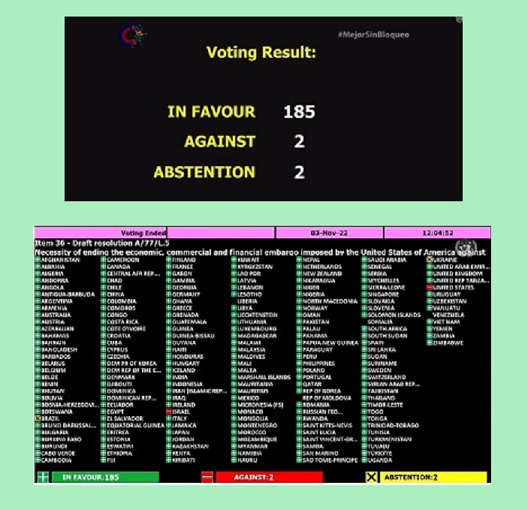
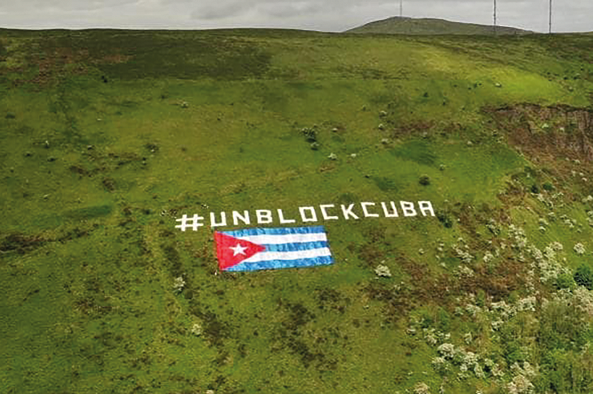
United Nations, Nov 3 (Prensa Latina) Cuba scored a new victory this Thursday in its fight against the United States embargo, by achieving overwhelming support in the United Nations (UN) for a resolution approved by 185 votes in favor.
The text was opposed by the United States and Israel, while Brazil and Ukraine abstained.
The resolution will be added to the 29 adopted each year since 1992, when this type of voting began, interrupted only in 2020 due to the Covid-19 pandemic.
Speaking in the debate that preceded the vote, Cuban Foreign Minister Bruno Rodríguez stated that more than 80 percent of his country’s population was born under the embargo.
He recalled that three decades have passed since the UN General Assembly first voted for this resolution, which has received universal support.
The diplomat, who asked that Cuba be allowed to live in peace, without the embargo, warned that since 2019, the Washington government has escalated the siege against the island to a more inhuman dimension.
He stressed that during the first 14 months of the Joseph Biden administration, the damage amounted to 6,364 million dollars, which is equivalent to an impact of more than 15 million dollars per day.
In that sense, he noted that the embargo «creates the conditions that feed irregular, disorderly and insecure migrations, the painful separation of families, and contributes to the crime of human trafficking.»
He also referred to the extraterritorial impact of this suffocation policy that “harms the sovereignty of the United Nations countries, sanctions their businessmen and prevents third-party ships that docked in Cuba from accessing their ports.”
He in turn denounced that in the midst of the Covid-19 pandemic, the United States government excluded the Cuban people from temporary humanitarian relief applied to other nations.
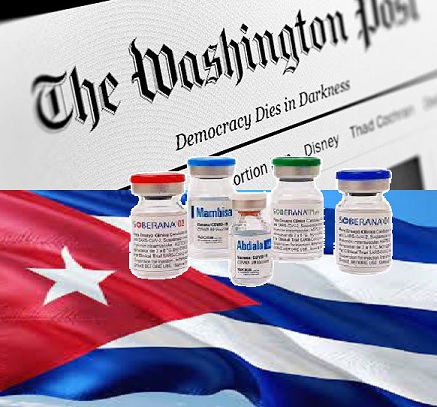
“While Covid-19 claimed millions of lives on the planet and filled Cuba with pain, the embargo intensified and generated delays for the arrival of essential medical supplies and equipment to face the pandemic, in particular for the industrialization of Cuban vaccines”, he emphasized.
What happened during the vote during this 77th session of the UN General Assembly (UNGA) was anticipated here in the two days of extensive debates on the subject.
Regional blocks and representatives of the different countries reiterated their position against this economic, commercial and financial fence, which has survived 11 White House administrations.






 "An Island on a Continent"